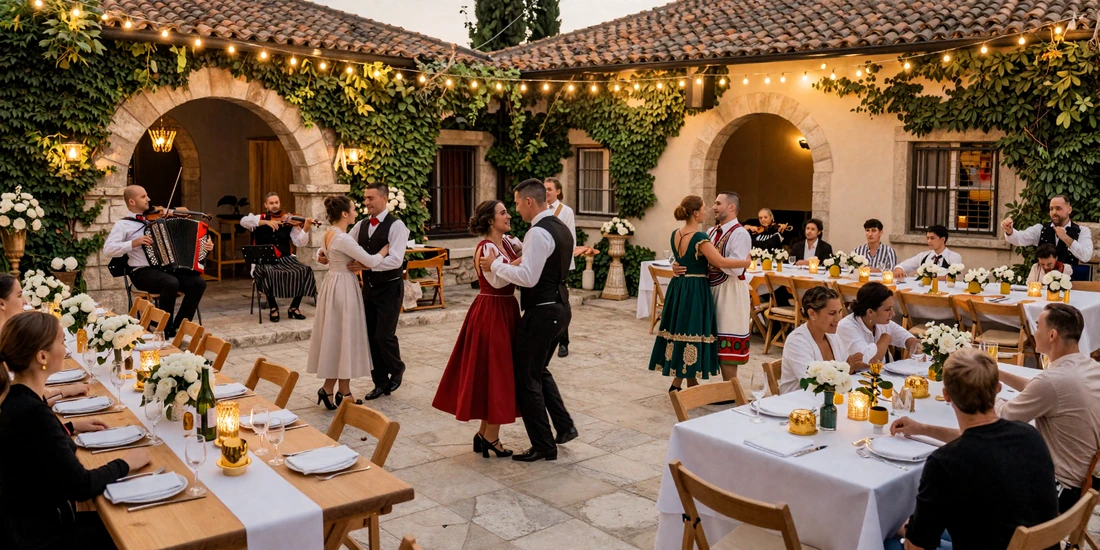
Balkan weddings are unlike anything you've experienced at an American ceremony. They're louder, longer, more emotional, and deeply rooted in traditions that have been passed down for centuries. If you're an American man planning to marry a Balkan woman, understanding these customs isn't just respectful - it's essential for building a genuine bond with her family. This guide walks you through every major wedding tradition across the Balkans so you'll arrive at the altar prepared, confident, and welcomed.
A Journey Through Balkan Wedding Customs
Marriage in Balkan cultures represents far more than the union of two individuals. It's the formal integration of two families, their histories, and their traditions. Unlike typical American weddings that focus primarily on the couple, Balkan ceremonies place the extended family at the center of every ritual. Expect your future in-laws, cousins, and even neighbors to play active roles throughout the celebration.
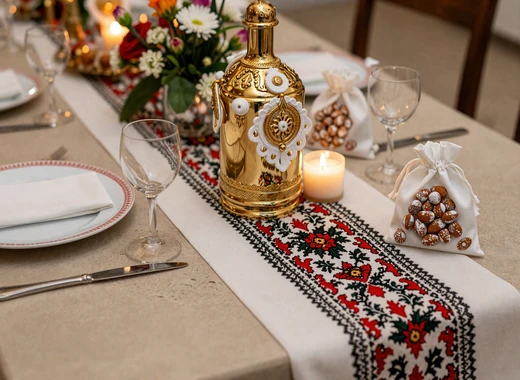
Balkan weddings are rich in cultural rituals, including traditional music, dance, and attire that reflect the region's diverse heritage. Most celebrations span at least two full days - sometimes three - starting with pre-wedding rituals the day before the ceremony. The groom's party typically "collects" the bride from her family home in a lively procession involving music, negotiation, and sometimes humorous obstacles set up by the bride's family.
Pre-Wedding Rituals That Set the Stage
Across the Balkans, engagement customs involve symbolic rituals and family gatherings that formally announce the couple's intent. In many traditions, the groom's family visits the bride's family to formally ask for her hand - a practice called prošenje in Serbian and Croatian cultures. This involves bringing gifts, typically including flowers, chocolates, or something meaningful for the host family. In Albanian culture, the process is more elaborate, sometimes involving multiple family delegations over several weeks.
Gift-giving is deeply embedded in Balkan wedding culture. When visiting a Balkan home - whether before or after the wedding - it's customary to bring a thoughtful gift. Small gestures go a long way in earning her family's trust and respect, and this is something every American groom should remember throughout the entire journey from courtship to ceremony.
The Ceremony Itself
Most Balkan weddings follow religious traditions - Orthodox Christian in Serbia, Montenegro, and North Macedonia; Catholic in Croatia and Slovenia; and a blend of Islamic and secular customs in Bosnia. Church ceremonies tend to be longer than their American equivalents, often lasting 60-90 minutes. Orthodox ceremonies include rituals like the crowning of the couple (symbolizing their role as king and queen of their new household) and the Isaiah Dance, where the priest leads the couple around the altar three times.
If you're planning to marry a Croatian woman, expect a Catholic mass followed by a lively reception. Croatian weddings often include a morning serenade (buđenje) where the groom's friends wake the bride with music and singing.
Wedding Traditions by Country
Each Balkan nation has distinct customs that make their weddings uniquely memorable. Here's a comprehensive overview:
| Country | Pre-Wedding Customs | Ceremony Highlights | Reception Traditions |
|---|---|---|---|
| Serbia | Flag-raising at groom's house; bride "buyout" negotiation with her family | Orthodox crowning ceremony; Isaiah Dance around the altar three times | Kolo circle dance; smashing plates for good luck; multi-course feast lasting 6+ hours |
| Croatia | Morning serenade (buđenje); bride's shoe auction to raise funds | Catholic mass with traditional hymns; exchange of crowns or wreaths | Bride removes veil at midnight; guests pin money on bride during first dance |
| Bosnia | Henna night for the bride; groom sends sweets to bride's family | Religious ceremony (Islamic nikah or Christian rite); signed marriage contract | Traditional sevdalinka music; communal feasting on ćevapi and burek; dancing into early morning |
| Albania | Multi-day family negotiations; elaborate engagement party with both families | Civil ceremony often combined with religious blessing; bride's dowry display | Traditional Valle circle dance; pinning gold coins on the couple; live folk band |
| Slovenia | Groom's party must complete humorous "challenges" before collecting the bride | Church ceremony with Western European influences; unity candle lighting | Waltz-style first dance; midnight bouquet toss; Slovenian polka music alongside modern DJ |
| North Macedonia | Groom's family parades through town with musicians; symbolic bread-breaking | Orthodox ceremony with crowning and shared wine; walking around the altar | Oro folk dance; bride steps on groom's foot for dominance luck; lavish multi-course dinner |
| Montenegro | Groom's family fires celebratory shots (blanks); decorated wedding car procession | Orthodox crowning ceremony; exchange of wedding rings at church entrance | Extended kolo dancing; toasts with homemade rakija; wedding lasts until sunrise |
Music and Dance: The Heartbeat of Balkan Weddings
If there's one thing that defines a Balkan wedding reception, it's the music. Live bands playing traditional folk music - often featuring accordion, violin, clarinet, and drums - keep guests on their feet for hours. The kolo, a communal circle dance performed throughout Serbia, Croatia, Montenegro, and Bosnia, is the centerpiece of every reception. Don't worry about knowing the steps perfectly. Everyone joins in, and the person next to you will guide you through the movements.
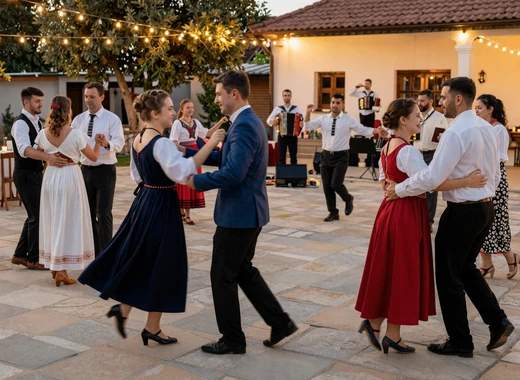
In Bosnia, you'll hear sevdalinka - emotional love ballads that often bring tears to the room before the tempo shifts to upbeat folk tunes. Albanian weddings feature the Valle, a graceful line dance that showcases regional identity. If you're dating a Serbian woman, prepare yourself for a trumpet-led reception that channels the energy of the famous Guča Trumpet Festival. Serbian wedding bands compete to keep guests dancing, and the louder and wilder, the better.
As the American groom, you'll likely be pulled onto the dance floor early and often. Embrace it. Your willingness to participate - even imperfectly - earns enormous respect from her family and friends.
Family Roles in Balkan Wedding Ceremonies
Family involvement in Balkan weddings goes far beyond the Western concept of a best man and maid of honor. In Serbian and Montenegrin traditions, the kum (best man/godfather of the marriage) plays a sacred role - he crowns the couple during the ceremony, signs the marriage documents, and is considered a lifelong spiritual guardian of the union. Choosing the kum is one of the most important decisions a couple makes.
The bride's parents - and especially her mother - are central to planning and emotional moments. In many traditions, the bride's departure from her family home is an emotional event, with tears, blessings, and sometimes the bride's father symbolically "giving" his daughter while receiving assurances of care from the groom. Her family's approval isn't just ceremonial; it's a genuine prerequisite in most Balkan cultures.
- Kum/Kuma: The most honored role - equivalent to godparents of the marriage. Expected to help the couple throughout life.
- Stari svat: The master of ceremonies who guides the wedding day events and makes toasts.
- Dever: The groom's brother or close male relative who accompanies the bride.
- Bride's mother: Leads the emotional farewell and blesses the couple during the ceremony.
- Extended family elders: Often give formal speeches, blessings, and financial gifts.
What to Expect as a Foreign Groom
Walking into a Balkan wedding as an American groom can feel overwhelming - the sheer scale of the celebration, the number of guests (200-500 is considered normal), and the intensity of cultural rituals are all significantly more than a typical American wedding. Here's what will help you thrive:
- Learn a few phrases in her native language. Even basic greetings and "thank you" make a powerful impression on her family.
- Dress sharply. Balkan weddings are formal affairs. A well-tailored suit is the minimum expectation for the groom.
- Be prepared for toasts. As the groom, you'll be expected to toast with rakija (fruit brandy) multiple times. Pace yourself.
- Bring thoughtful gifts for her parents and key family members, especially the kum and kuma.
- Show patience and openness. Ceremonies and celebrations take time. Enjoy the extended moments rather than watching the clock.
Balkan families understand you won't know every custom perfectly. What they care about is your genuine effort to learn, participate, and respect their heritage. That sincerity speaks louder than perfect execution.
Blending American and Balkan Wedding Traditions
Many international couples find beautiful ways to merge both cultures into one unforgettable celebration. Consider incorporating American elements like personalized vows, a rehearsal dinner for close family, or a wedding cake cutting alongside Balkan traditions like the kolo dance, traditional live music, and the kum crowning ceremony.
Food offers a natural bridge. A reception menu featuring both Balkan specialties - cevapi (traditional grilled meat), burek (savory pastry), and baklava - alongside American favorites creates an inclusive experience where both families feel at home. Sharing meals is a significant bonding experience in Balkan culture, and showing appreciation for her cuisine goes a long way toward winning her family over.
Some couples hold two ceremonies: a small intimate Balkan wedding in her hometown to honor her family's traditions, and a larger American celebration back in the States. This approach satisfies both cultural expectations and gives each family the experience they value most.
Practical Tips for a Cross-Cultural Celebration
| Element | American Tradition | Balkan Tradition | Blended Approach |
|---|---|---|---|
| First Dance | Couple's solo dance to chosen song | Kolo circle dance with all guests | Solo first dance, then invite everyone for kolo |
| Vows | Personalized written vows | Traditional religious liturgy | Church ceremony + personal vows at reception |
| Reception Food | Plated dinner or buffet | Multi-course feast, 5-7 dishes over hours | Multi-course menu featuring both cuisines |
| Music | DJ with modern playlist | Live folk band, traditional instruments | Live band for traditional dances, DJ for modern sets |
| Best Man Role | Holds rings, gives toast | Kum crowns couple, spiritual guardian for life | American best man + Balkan kum as co-honorees |
Your Wedding, Your Love Story
Balkan wedding traditions aren't obstacles to navigate - they're gifts. They give your marriage a foundation built on centuries of family values, communal celebration, and genuine devotion. Whether you're dancing the kolo with her cousins, sharing rakija with her grandfather, or watching her mother cry tears of joy during the ceremony, these moments become the memories that define your relationship.
The key is simple: approach her traditions with genuine curiosity, open-hearted participation, and the understanding that this celebration is about welcoming you into a family, not just a marriage. Ready to start your journey toward a Balkan love story? The first step is easier than you think.